Heart attack symptoms: signs beyond chest pain and when to call 112
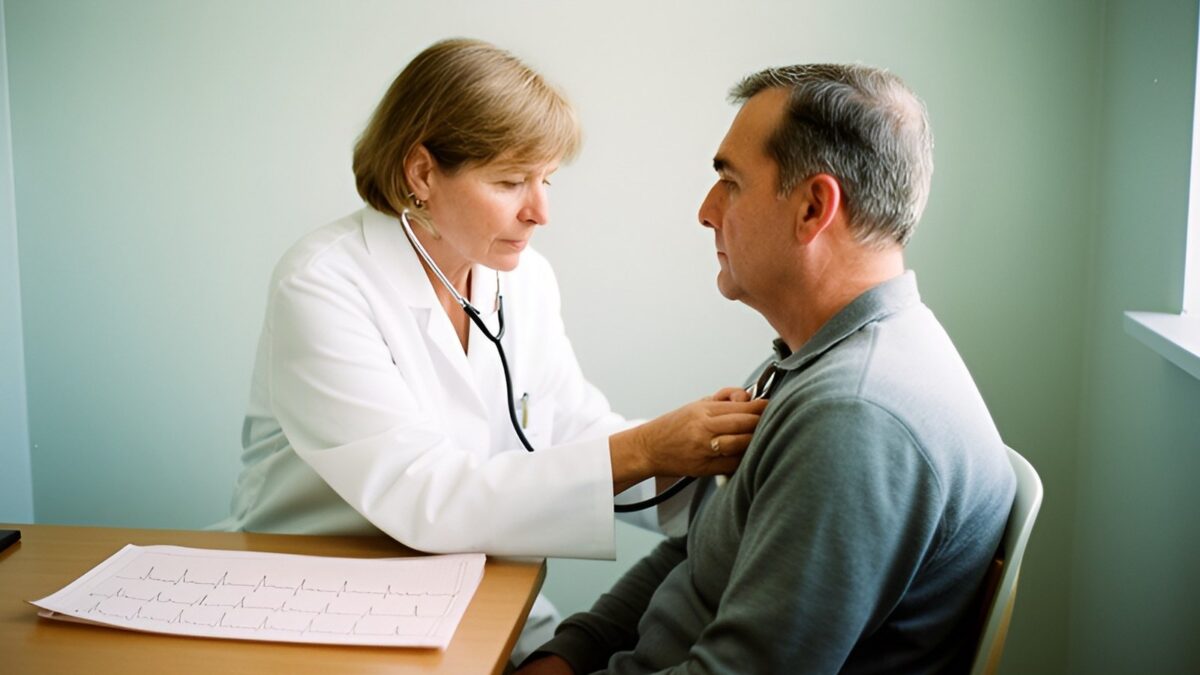
When we think of a heart attack, most of us picture someone clutching their chest and collapsing. In real life, heart attack symptoms often start more quietly: tightness in the chest, pain spreading to the arm or jaw, a cold sweat with no obvious reason. Recognising these signs and calling for help without delay is the most important step in protecting the heart muscle.
In this article we explain the common symptoms of a heart attack, why they can look different in women and older people, and what to do if it happens.
What is a heart attack?
A heart attack (myocardial infarction) happens when one of the arteries that supply the heart becomes blocked and part of the heart muscle does not get enough blood. The longer the blood flow is cut off, the more damage occurs. That is why doctors say “time is muscle”: early treatment reduces permanent damage.
The most common symptoms
- Chest pain or pressure: described as squeezing, heaviness, burning or fullness in the centre of the chest. It may last more than a few minutes, or go away and come back.
- Spreading pain: to the left arm, both arms, the shoulder, back, neck, jaw or upper stomach.
- Shortness of breath: with or without chest pain.
- Cold sweat: sudden, heavy sweating when it is not hot.
- Nausea, vomiting or a feeling of indigestion: sometimes mistaken for a stomach problem.
- Dizziness, light-headedness or feeling faint.
Symptoms can be different in women, older people and people with diabetes
Chest pain is the most common symptom in women too, but women, older people and people with diabetes may have a “quieter” heart attack. Chest pain can be mild or absent, and other symptoms may stand out instead:
- Unexplained, unusual tiredness
- Shortness of breath
- Back, shoulder or jaw pain
- Nausea, indigestion or stomach pain
Because these signs are easily confused with other problems, do not wait to see if they pass.
What to do if you suspect a heart attack
- Call 112 immediately. If the symptoms last more than a few minutes, or come and go, do not wait.
- Do not drive yourself to hospital. The ambulance team can start treatment on the way and alert the hospital in advance.
- Help the person sit down and stay calm. Loosen tight clothing and avoid moving them unnecessarily.
- Follow the 112 operator’s advice about medicines. Do not give medication on your own; some medicines can be harmful in certain situations.
- If the person becomes unresponsive and is not breathing, start chest compressions as guided by the 112 operator, and use an automated external defibrillator (AED) if one is nearby.
Risk factors: who should be more careful?
The main factors that increase the risk of a heart attack are smoking, high blood pressure, high cholesterol, diabetes, excess weight, an inactive lifestyle, long-term stress and a family history of early heart disease. The risk also rises with age. If you have more than one of these factors, regular check-ups are recommended even if you feel well.
What you can do to protect your heart
- Stop smoking; it is never too late.
- Have your blood pressure, cholesterol and blood sugar checked regularly.
- Be active on most days of the week, for example a brisk 30-minute walk.
- Eat plenty of vegetables, fruit, whole grains and pulses; cut down on salt and processed food.
- Keep your weight under control and get enough sleep.
- Take the medicines your doctor prescribes regularly.
When should you see a doctor?
Chest pain that comes on when climbing stairs or walking and eases with rest, palpitations, breathlessness during exercise, or having several of the risk factors above are all good reasons to see a doctor, even if it is not an emergency. You can find doctors in North Cyprus in the Stetosgop doctor directory and send an appointment request directly. We have also put together a checklist of what to bring to your appointment.
This article is for general information only and does not replace diagnosis or treatment. If you have an emergency symptom such as chest pain, call 112 without delay. See our medical disclaimer for details.